Finding the Source Before Recommending Repairs
Auto Diagnostics in Concord for warning lights, drivability concerns, and problems without an obvious cause
Warning lights appear on your dashboard without explanation. The vehicle hesitates during acceleration, idles roughly, or behaves inconsistently in ways that change from day to day. TrueLine Fleet Services uses auto diagnostics to identify what's causing these concerns rather than guessing based on symptoms alone. This systematic process works through sensor data, fault codes, and physical inspections to pinpoint failures before repair recommendations are made, helping drivers in Concord, Harrisburg, Kannapolis, and surrounding areas avoid unnecessary parts replacement and make informed service decisions.
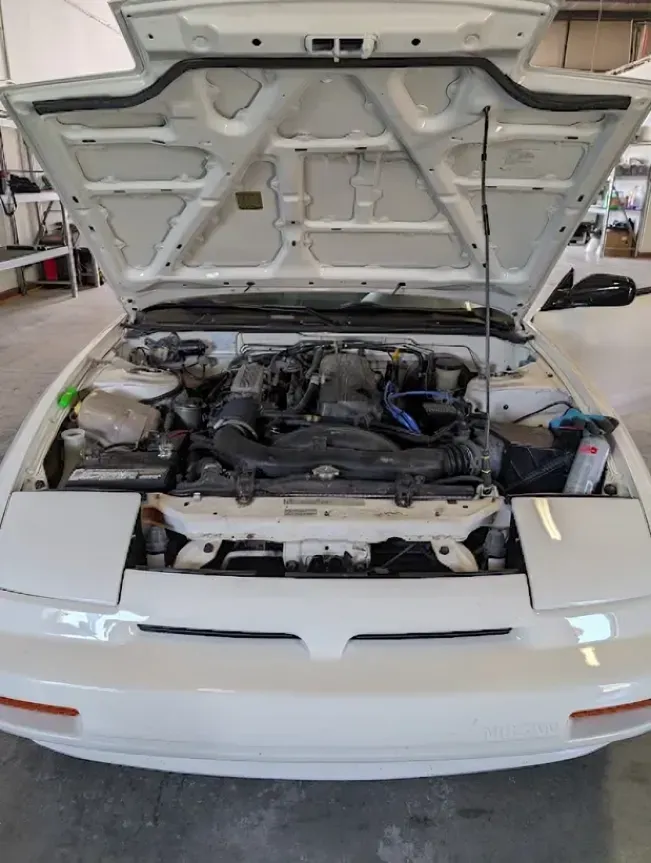
Diagnostics apply to concerns across multiple vehicle systems, including engine performance problems, transmission shifting irregularities, brake warning indicators, suspension noise, electrical faults, and emission system failures. The service retrieves stored trouble codes from the vehicle's computer, tests sensor output against expected values, measures system pressures and voltages, and observes component behavior under operating conditions. This approach separates confirmed failures from coincidental symptoms and connects specific faults to the parts or systems that need attention.
Schedule diagnostic service to determine what's causing your vehicle's warning lights or performance changes.
Why Systematic Testing Matters
Modern vehicles rely on sensor networks that monitor dozens of systems simultaneously, and a single fault can trigger multiple warning lights or cause problems that seem unrelated. Diagnostic testing isolates the original failure by reading which systems reported faults first, testing whether sensors are reporting accurately, and verifying that related components are functioning within normal ranges. This prevents misdiagnosis and ensures repairs address the actual problem.
After diagnostic testing identifies the source of a concern, repair work targets the confirmed failure. Warning lights clear and stay off once the underlying fault is corrected. Performance returns to normal with consistent throttle response, smooth idle, and predictable operation. The vehicle behaves the way it did before the problem developed, and you drive with confidence that the issue has been resolved rather than temporarily suppressed.
Diagnostic findings guide decisions about whether a concern requires immediate repair, scheduled maintenance, or monitoring over time. Some faults indicate components nearing the end of their service life, while others reflect failures that need correction to prevent further damage or safety risks.
Common Questions About Diagnostic Service
Drivers in Concord often ask how diagnostics work, what they reveal, and when they're necessary. These answers explain what to expect during diagnostic service.
What happens during a diagnostic appointment?
The technician connects a scan tool to retrieve fault codes stored in the vehicle's computer, performs visual inspections of related components, and conducts tests to verify whether sensors and systems are operating correctly.
Why can't you diagnose the problem over the phone?
Symptoms like rough idle or warning lights can result from dozens of different failures, and accurate diagnosis requires testing the vehicle's systems directly to see which components are malfunctioning and which are working as designed.
How long does diagnostic testing take?
Most diagnostic sessions take between one and two hours depending on the complexity of the concern, how many systems need testing, and whether the problem occurs consistently or intermittently.
What if the diagnostic process doesn't find anything wrong?
If testing shows all systems functioning normally and no fault codes are stored, the issue may be intermittent, in which case the vehicle may need to be driven until the problem occurs again and stores a code that can be traced.
How does this service connect to other repairs?
Diagnostics often reveal that a drivability concern originates in a system you didn't expect, such as a brake warning tied to a wheel speed sensor or an engine performance issue caused by a failing oxygen sensor, which means the diagnosis naturally leads to targeted brake, suspension, engine, or maintenance service.
TrueLine Fleet Services provides diagnostic service that identifies the source of vehicle concerns before recommending repairs. Contact the shop at (980) 556-0576 to arrange an appointment and get clear answers about what your vehicle needs.