Scheduled Service That Supports Reliable Operation
Auto Maintenance in Concord for daily drivers requiring routine service, fluid changes, component inspections, and early wear identification
Consistent preventative maintenance keeps passenger vehicles operating reliably through routine Concord commuting, seasonal temperature swings, and changing North Carolina driving conditions that alternate between dry heat and periods of elevated humidity and precipitation. You need scheduled service when mileage intervals recommended by the vehicle manufacturer arrive, when fluids reach the end of their service life due to contamination or breakdown, or when operating conditions such as frequent short trips or extended idling accelerate wear beyond typical patterns. TrueLine Fleet Services provides auto maintenance in Concord using the systematic approach developed through commercial fleet service where unplanned downtime carries direct operational costs.
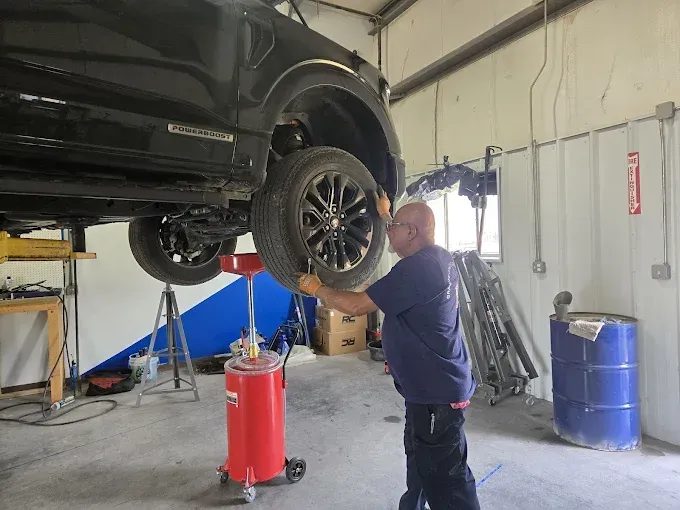
Maintenance service includes engine oil and filter changes at appropriate intervals, transmission fluid evaluation and exchange when condition warrants, coolant system service to maintain heat transfer efficiency, brake fluid replacement to prevent moisture-related pressure loss, air filter inspection and replacement when flow restriction increases, tire rotation to promote even wear, and visual inspection of belts, hoses, and wear items to identify developing problems before they cause breakdowns. The process documents current component condition and flags items approaching replacement intervals so service can be planned rather than reactive.
Schedule routine maintenance service to support vehicle reliability and reduce unexpected repair needs.
Why Consistent Attention Works for Vehicle Longevity
Scheduled maintenance addresses wear and contamination before they progress to component failure. Fresh oil maintains proper lubrication and removes combustion byproducts that accelerate internal engine wear, clean coolant prevents corrosion in the cooling system and transfers heat efficiently, transmission fluid in good condition protects internal clutches and bearings from excessive friction, and brake fluid free of moisture contamination maintains consistent pedal response under varying temperatures.
After maintenance is completed, the vehicle continues to operate within its designed performance parameters without developing the gradual decline in function that occurs when fluids degrade or components wear beyond acceptable limits. You notice this through consistent starting behavior, stable operating temperatures, predictable transmission shifting, maintained fuel efficiency, and absence of the small problems that accumulate into larger repair events when maintenance is deferred or performed inconsistently.
Maintenance intervals depend on vehicle design, operating conditions, and manufacturer recommendations rather than fixed universal schedules. Severe service conditions such as frequent short trips that prevent full engine warm-up, dusty environments, trailer towing, or extended idling all shorten appropriate service intervals compared to vehicles used primarily for longer highway trips at stable speeds.
Common Questions About Routine Service
Concord drivers often ask how to determine appropriate maintenance timing, what services provide the most value, and how preventative work reduces long-term repair costs.
What determines when oil should be changed?
Service intervals depend on oil type, engine design, operating conditions, and time elapsed since the last change, with severe service patterns such as short trips or dusty conditions requiring more frequent service than extended highway use.
How does transmission fluid condition affect operation?
Fluid breakdown reduces lubrication and heat dissipation inside the transmission, causing increased friction, accelerated clutch and bearing wear, and eventually leading to shifting problems or internal component failure.
When should coolant be replaced versus simply topped off?
Coolant loses its corrosion inhibitors and pH buffering capacity over time, so periodic complete system drainage and refill with fresh coolant prevents internal rust, scale formation, and degradation of rubber hoses and gaskets.
Why does air filter condition matter for engine performance?
A restricted air filter reduces airflow into the engine, which decreases power output, increases fuel consumption, and in severe cases allows unfiltered air carrying abrasive particles to enter the intake system and accelerate wear.
What happens if maintenance is deferred beyond recommended intervals?
Extended service intervals accelerate component wear, increase the likelihood of fluid-related failures, allow small problems to develop into larger repair needs, and reduce overall vehicle longevity compared to consistently maintained examples.
TrueLine Fleet Services applies the preventative maintenance discipline required for commercial equipment to passenger vehicle service, ensuring that routine work is performed systematically and documented accurately. Contact the shop to establish a maintenance schedule based on your vehicle's specific requirements and operating patterns.